Summer in the Phoenix Valley brings spectacular light shows and desperately needed rain. But the Arizona monsoon season also brings microbursts—intense, localized columns of sinking air that hit the ground and explode outward with wind speeds exceeding 70 mph.
Most homeowners in Central Phoenix (85012) and East Mesa (85206) only call a roofing contractor when water starts pouring through their drywall. Unfortunately, by the time water reaches your living room, the damage to your roof decking and attic insulation is already severe. The key to saving thousands of dollars is identifying hidden storm damage immediately after a major storm passes.
1. The "Lifted" Shingle (Wind Damage)
When a microburst hits an asphalt shingle roof, the wind creates a vacuum effect (uplift). This incredible force pulls the shingles upward. Often, the shingle doesn't blow entirely off the roof; instead, the wind breaks the adhesive sealant strip underneath and lifts the shingle just enough to bend it backward.
When the wind dies down, the shingle lays flat again. From the ground, your roof looks perfectly fine. But the seal is broken. The next time it rains, water will be driven horizontally directly under that loose shingle, rotting the exposed wood decking below. What to look for: A slightly uneven roofline, a dark horizontal line across the top of a shingle (where it was creased by the wind), or a flapping sound during high winds.
2. Massive Granule Loss in Gutters
Asphalt shingles are coated in tiny, crushed stone granules that protect the underlying asphalt from the brutal Arizona UV rays. Severe thunderstorms and hail literally scour these granules off the shingle. While a little shedding is normal for a new roof, finding large piles of what looks like coarse black sand at the bottom of your downspouts or in your gutters after a storm is a major red flag. Without those granules, the sun will bake the bare asphalt, causing it to crack and fail within a year.
3. Slipped and Chipped Concrete Tiles
Tile roofs are incredibly heavy and generally resist wind better than shingles. However, flying debris (tree branches, patio furniture) can easily crack or chip a concrete tile. Furthermore, severe wind gusts can occasionally "chatter" the tiles, shifting them slightly out of their interlocking position.
Remember: the tile is only a sun shield. The actual waterproofing is the tar paper (underlayment) underneath. If a tile shifts and exposes that paper to the Phoenix sun, the UV rays will destroy the paper in a matter of weeks, guaranteeing a massive leak during the next rainstorm. What to look for: Misaligned rows of tiles, or small chips of colored concrete in your yard.
The Haboob Effect on Flat Roofs
In Arizona, storms are often preceded by massive walls of dust called Haboobs. These dust storms blow pounds of dirt onto flat commercial and residential roofs. When the rain finally falls, that dirt turns into thick mud, effectively cementing and clogging your roof's drainage scuppers. If you have a flat roof, you must check your drains after a major dust storm to prevent severe water ponding.
4. Compromised Flashing and Sealants
The metal flashing around your chimney, skylights, and plumbing vents is the most vulnerable part of your roof. Extreme temperature fluctuations cause the metal to expand and contract, which dries out and cracks the roofing mastic (caulking) around it. High winds can literally peel this dried caulking away. If you can see gaps or peeling black sealant around the pipes protruding from your roof, water has a direct path into your attic.
5. Attic Investigations
If you suspect storm damage but can't see it from the outside, grab a flashlight and go into your attic during the day. Turn off the light. If you see tiny pinholes of daylight peeking through the wood decking, you have missing shingles or torn underlayment. Next, use your flashlight to look for dark, circular water stains on the wood or matted, compressed insulation—these are the tell-tale signs of a slow leak that hasn't yet broken through your living room ceiling.
Why You Need a Professional Post-Storm Inspection
Walking on a roof after a storm is incredibly dangerous. Tiles are slippery, and stepping in the wrong spot on a tile roof can crack perfectly good tiles, creating the very problem you are trying to prevent.
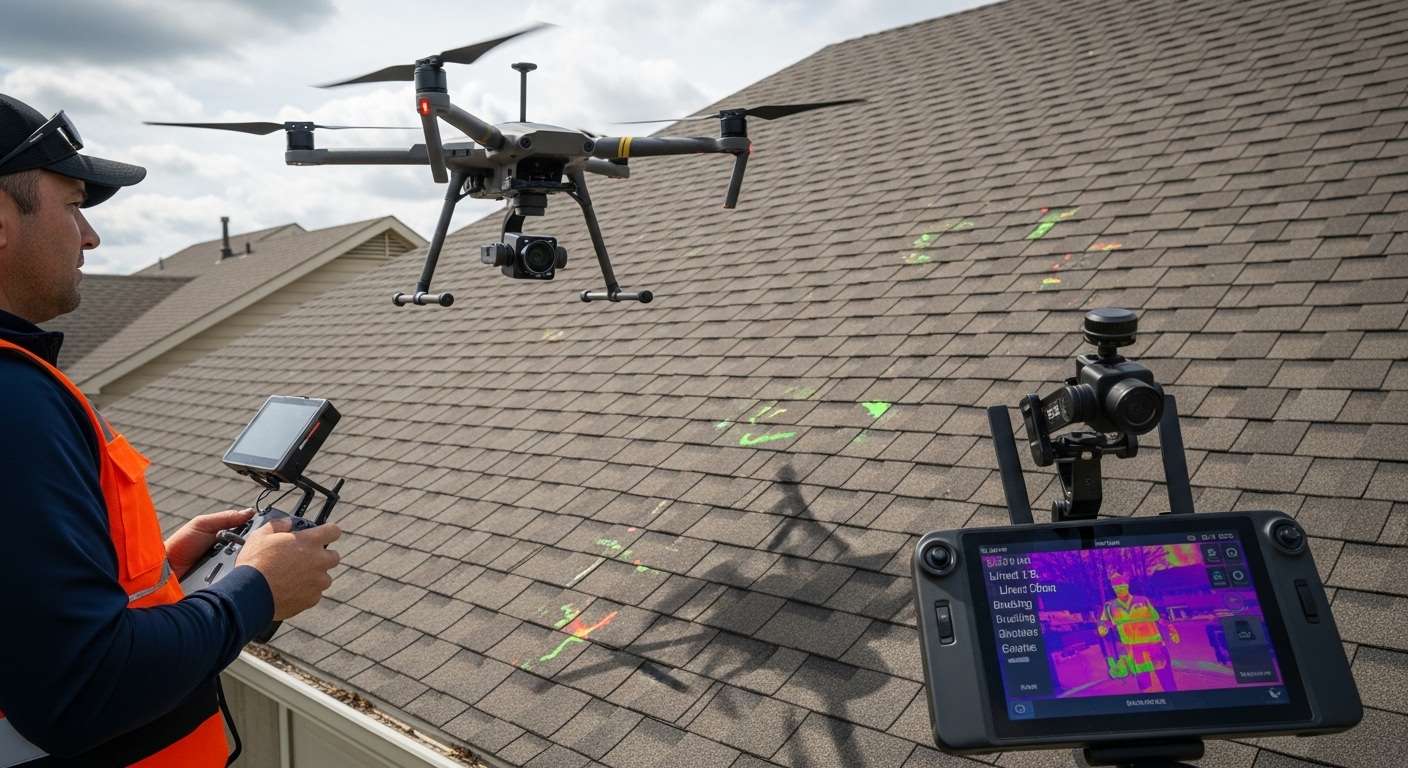
If a severe storm passes through your neighborhood, call a licensed professional to perform a forensic inspection. We know exactly what wind-lifted shingles and microburst damage look like. More importantly, if we find storm damage, our detailed photo reports provide the exact evidence you need to get your homeowner's insurance to cover the repair or replacement costs.
Don't wait for the water to hit your floor. If your Mesa or Phoenix home was just hit by a monsoon, contact Roofing AZ today for a free, no-obligation storm damage assessment.